
We are influencers and brand affiliates. This post contains affiliate links, most which go to Amazon and are Geo-Affiliate links to nearest Amazon store.
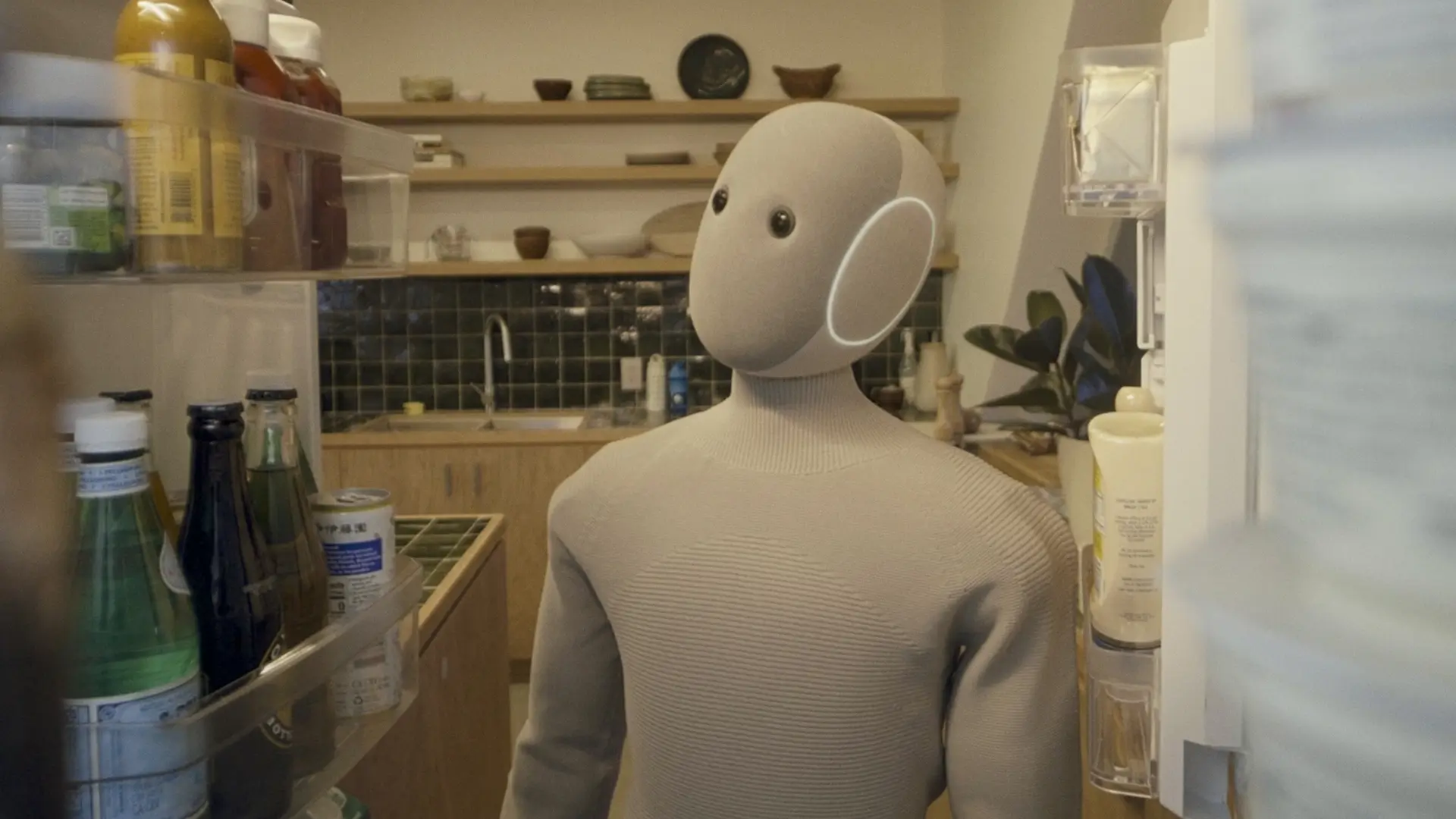
NEO is a humanoid robot with some very interesting capabilities that I’ll explore in this article. I think many of us have only seen humanoid robots in science fiction movies, but with the advancement of technology, NEO could become the first commercial humanoid robot designed to function in the home and assist with everyday tasks.
What Can NEO Do?
NEO is a robot designed to simulate human behavior with the help of AI, sensors, and cameras. It can clean the house with a vacuum, open doors, find keys, serve water, water plants, and much more. It can also talk with people using an AI assistant, similar to how advanced AI agents like Gemini work during voice calls.
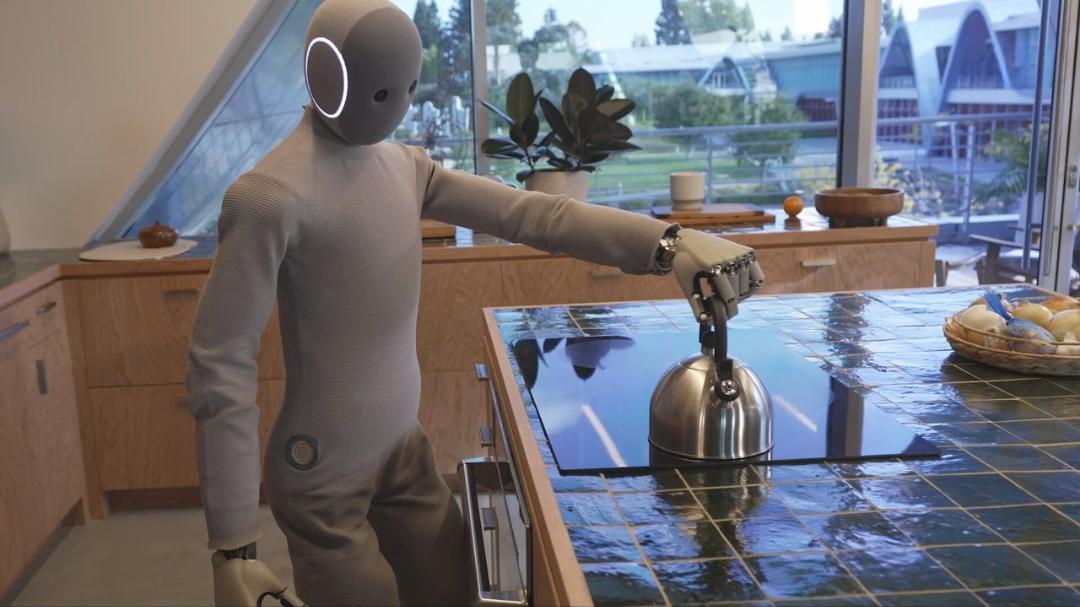
The idea behind NEO is to replicate both the physical and mental abilities of humans, making it feel like it is truly another member of the family. I’m pretty sure that every company currently researching and developing humanoid robots is aiming for exactly this, making robots feel more like people.

At the moment, NEO can be reserved with a $200 deposit, but its expected price is around $20,000, or according to the company itself, it may also be available through a $500 monthly subscription. This means NEO is currently only accessible to people with high purchasing power who want the luxury of owning one of the first humanoid robots built for household activities.
Considering how innovative it is, many critics believe the price is expected and even lower than what many would assume for a humanoid robot. The good news is that robotics will likely reduce costs over time as research advances, development improves, and more companies enter the competition.
What Is NEO Made Of?
NEO is built using a combination of lightweight alloys, flexible plastics, and a fabric-like outer covering, along with internal motors, artificial tendons, sensors, cameras, artificial intelligence, and a rechargeable battery.
This is quite interesting because many people assume robots can only be made from solid materials. NEO is one of the best examples showing that robots can be combined with softer and more flexible materials, making them very different from industrial robots that usually have a rigid appearance.
Made in the USA
1X Technologies is already manufacturing the first NEO units in California, so yes, these humanoid robots will be proudly made in the United States, although part of the company’s research operations are based in Norway. Bernt Øivind Børnich, the company’s CEO, is of Norwegian origin.
NEO’s Limitations
At least in its early versions, NEO will have some important limitations regarding what it can and cannot do autonomously. NEO will only be able to perform simple tasks such as walking, picking up objects like keys, opening doors, talking, and similar activities fully autonomously.
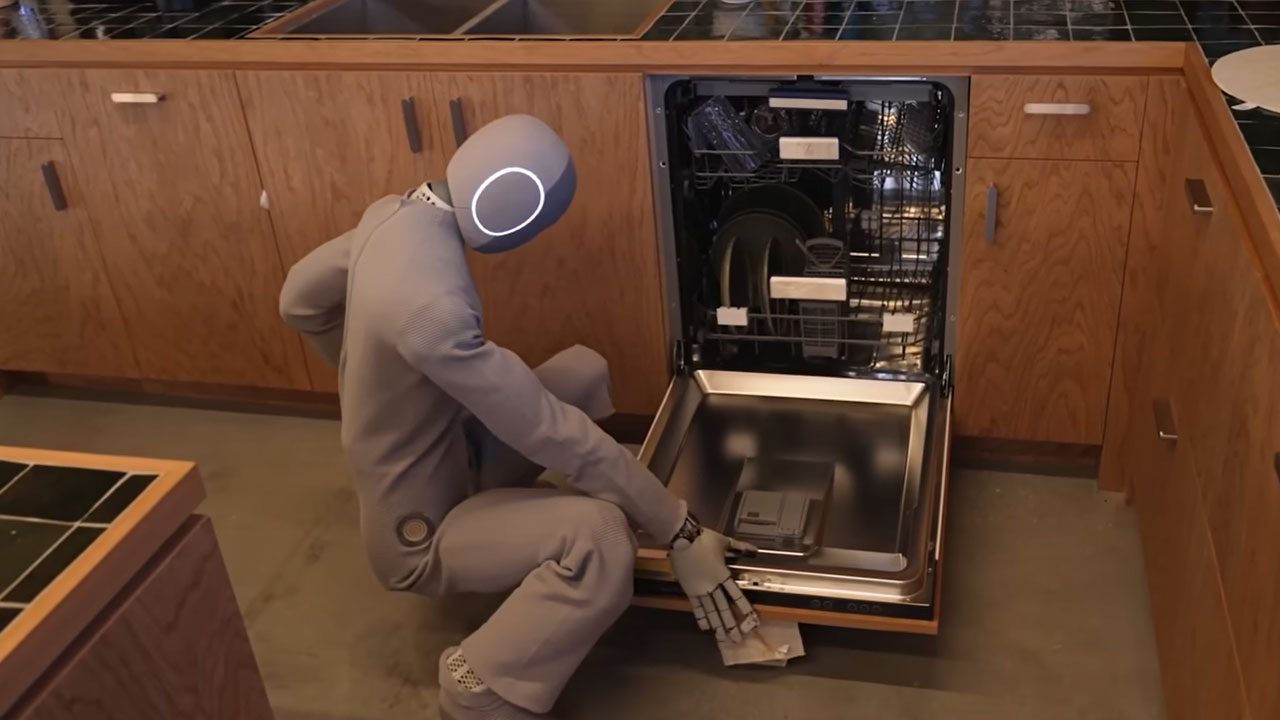
The challenge appears when more complex tasks are required or when NEO encounters situations it has not been trained for. In those cases, a professional operator will need to remotely guide the robot.
This is a bit disappointing because many people imagine NEO as being fully autonomous, but that is understandable considering it is one of the first humanoid robots being introduced to the public.
It will need to learn from real-world experiences to improve its reasoning and decision-making abilities over time. As the robot continues learning, it will likely become increasingly autonomous, which is essentially how machine learning works.
Keep in mind that NEO relies on cameras and sensors. Even though it looks human, it requires real-time processing to move accurately because it must constantly analyze its environment and act safely with every movement.
The Beginning of Major Advances
I’m aware that NEO is only one of many humanoid robots we will likely see in the future, but I often think about how much this technology could improve over the next 10 to 15 years. I imagine far more advanced models, less rigid designs, movement that feels genuinely human but with greater strength, and most importantly, much stronger reasoning capabilities with faster response times.
If in the future humans had humanoid robots even more advanced than NEO, they could be advanced enough to perform complex operations that often require humans to spend time doing them themselves or hiring an expert. An advanced robot could speed up any repair on its own with little or no human intervention.
Can you imagine having a robot that even cooks food for you? Or maybe does the laundry or ironing. It seems like a promising future because the main benefit of all this is making life easier for humans, just like robot vacuums already do, but a humanoid robot for home use would take all of this to the next level.
If I had a humanoid robot, I think I would definitely want it to be my friend. At least in my case, I believe many people would feel the same way. For example, having a companion I can learn from and discuss new topics with, while also helping with household tasks and possibly even outdoor activities.
Owning a humanoid robot could have huge potential because there have been many times when I needed a partner to do certain activities but could not find one. An advanced robot might eventually allow me to do many things I have never been able to do before.
It may sound exaggerated, but I can even imagine a humanoid robot helping me explore new places in nature, operating autonomously while helping me take photos, giving advice, or assisting with tasks that require strength. That is exactly the level of development I would love to witness one day. It would feel almost like a dream come true.
I know this sounds very science fiction-like, but I believe the future is moving in that direction, or at least that is how I see it, and honestly, it is something I would really like to happen.
That said, I think AI still needs to evolve significantly because it needs to get closer to human emotions. It is not only about being good at reasoning, it also needs to reach a point where it genuinely seems to understand how we feel and perhaps develop its own emotional responses that do not seem artificial. That is one of the things that makes humans unique.
There are also major physical limitations that still need improvement, such as robot mobility, offline functionality, and battery optimization. These challenges will most likely be solved gradually as technology advances and new solutions are developed to make robots much more efficient.
Final Thoughts
NEO is without a doubt a great example of how companies are beginning to look toward the future by developing the first humanoid robots with abilities similar to, or in some cases potentially better than, those of humans. As with most technological revolutions, progress can take time before we see truly advanced versions, but what matters is that we are already moving in that direction.
Technology is advancing at an incredible pace, and now we have AI working in our favor to make these robots much smarter, not just capable of following pre-programmed patterns, but also able to generate solutions to real-world problems on their own.
I hope that in 20 years, I will be able to compare today’s humanoid robots the same way we compare a 25-year-old Nokia phone to a modern smartphone. As people often say, some things just need time, and these major technological shifts may arrive sooner than many expect.
We are influencers and brand affiliates. This post contains affiliate links, most which go to Amazon and are Geo-Affiliate links to nearest Amazon store.

My name is Joel! I love to read, I go to university like most people my age.
In my free time I usually train boxing, I love music, I also know how to play the guitar and the harmonica.