
We are influencers and brand affiliates. This post contains affiliate links, most which go to Amazon and are Geo-Affiliate links to nearest Amazon store.
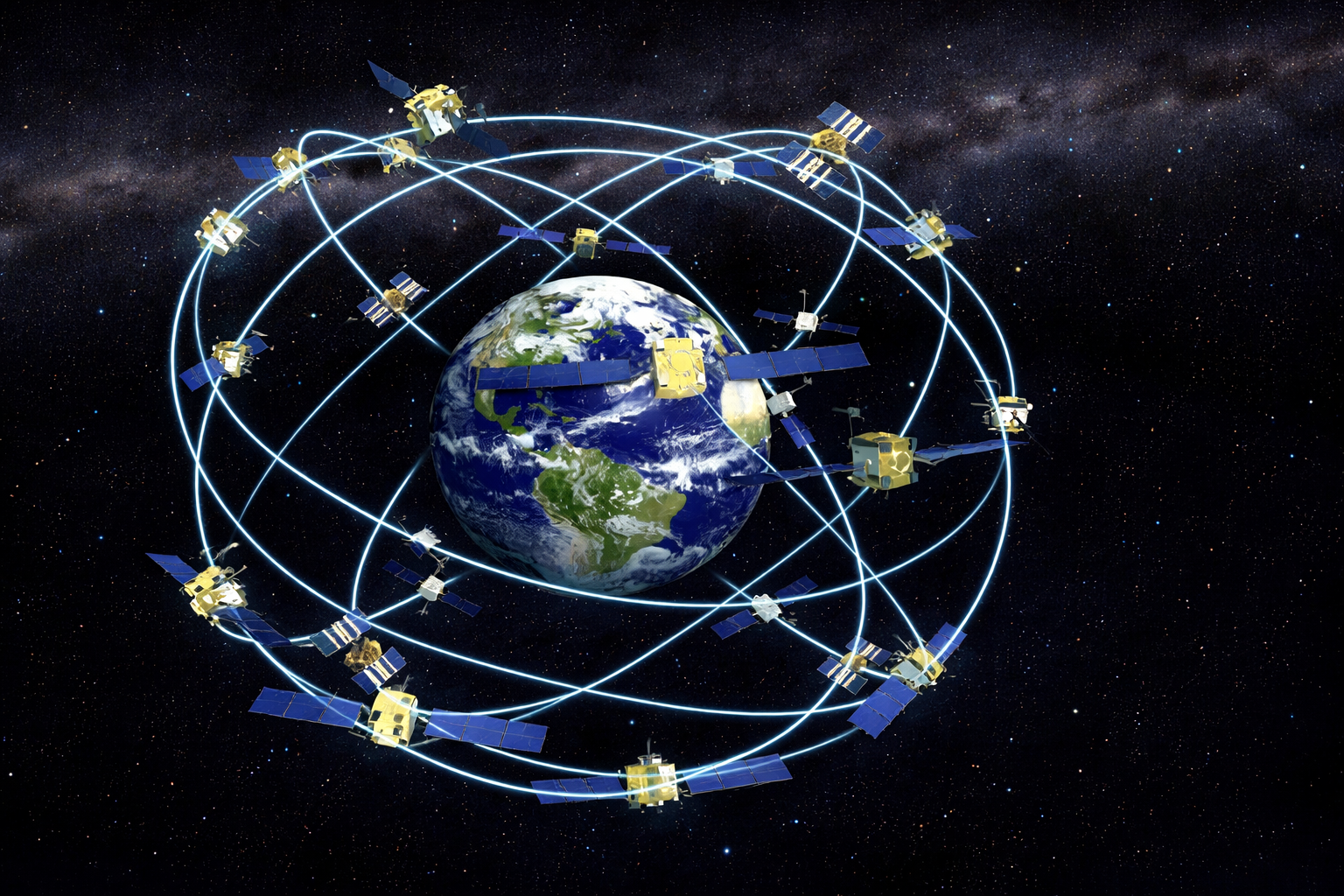
All of us have at least one smartphone that, regardless of the brand, includes a GPS function. GPS stands for Global Positioning System and refers to a group of more than 24 satellites belonging to the government of the United States.
It is likely that at some point you have wondered what exactly this is, how it works, and how it is able to locate a phone with such precision. These are questions I asked myself as well. A year ago, I wrote a thesis for my degree, so I worked with satellite information, and it is impressive how satellites help make our lives easier, sometimes without us even realizing it.
Before going into this topic, it is important to mention that phones and devices in general use other satellite systems as well, not only GPS. For example, there is GLONASS from Russia, Galileo from the European Union, and BeiDou from China. These systems work together with GPS to improve accuracy and coverage in different parts of the world.
But let’s focus on GPS, since the other systems work in a similar way. Basically, it consists of a network of satellites that transmit radio signals. Devices that receive these signals calculate the time it takes for each signal to arrive. Based on this, they can calculate with relatively high accuracy the point where they are located.
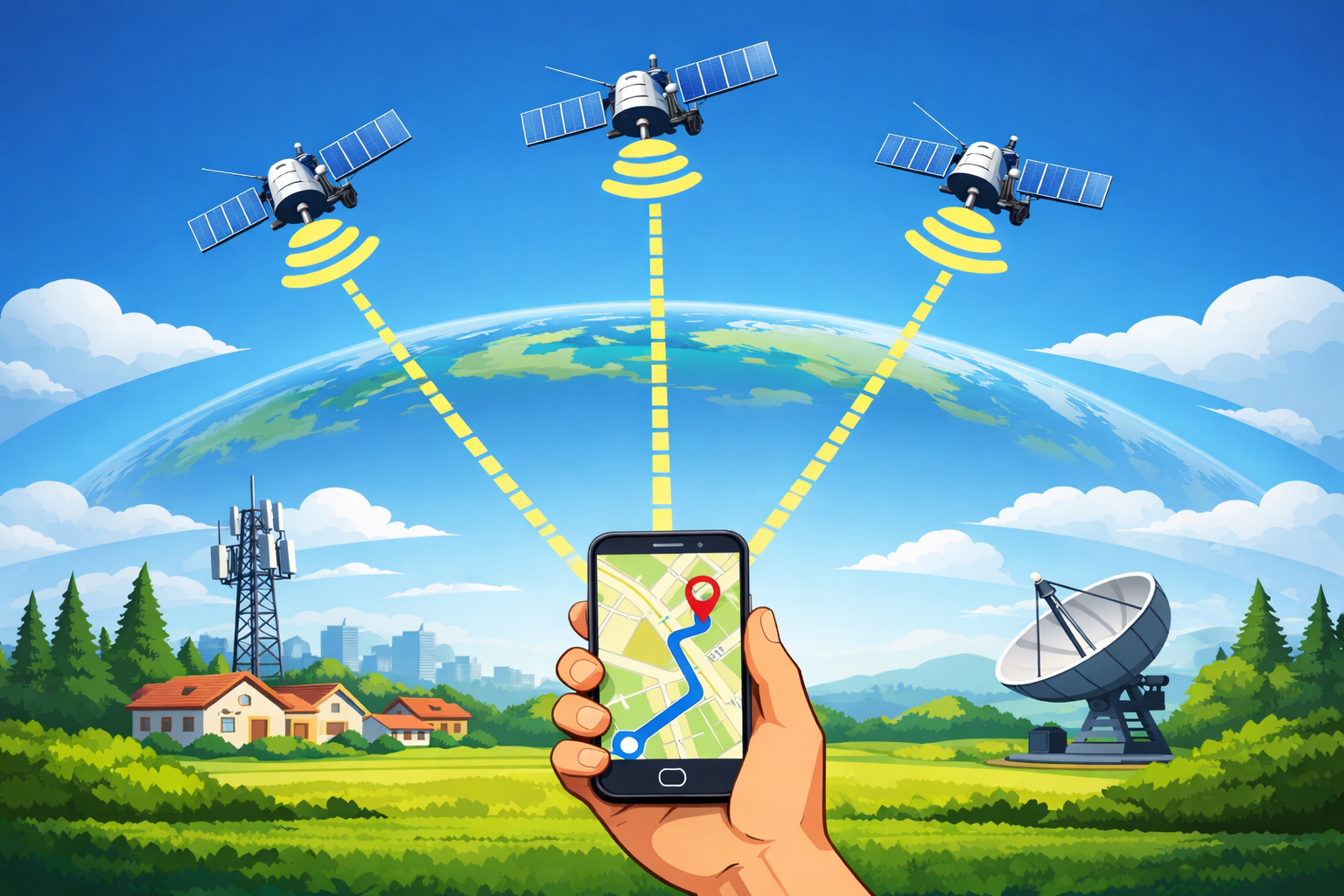
Devices do not send any type of signal back to the satellites. They only use the signal provided by the satellite network. This signal is a radio wave that includes coded information such as speed and distance. Based on the differences in information received from multiple satellites, the device can increase or decrease the accuracy of the location.
When I say that accuracy can decrease, I mean that it depends on the number of available satellites. The accuracy will vary. For example, interference such as buildings or large trees can reduce or even block location services on many devices because satellite radio signals can be obstructed or become too weak.
So, if you were wondering, yes, these are the same systems that Google Maps uses to help you reach a destination. It is just one of the many examples of how GPS and similar systems are very useful in everyday life.
And that is it. That is how simple it is to understand how location functions in devices.
We are influencers and brand affiliates. This post contains affiliate links, most which go to Amazon and are Geo-Affiliate links to nearest Amazon store.

My name is Joel! I love to read, I go to university like most people my age.
In my free time I usually train boxing, I love music, I also know how to play the guitar and the harmonica.