
We are influencers and brand affiliates. This post contains affiliate links, most which go to Amazon and are Geo-Affiliate links to nearest Amazon store.
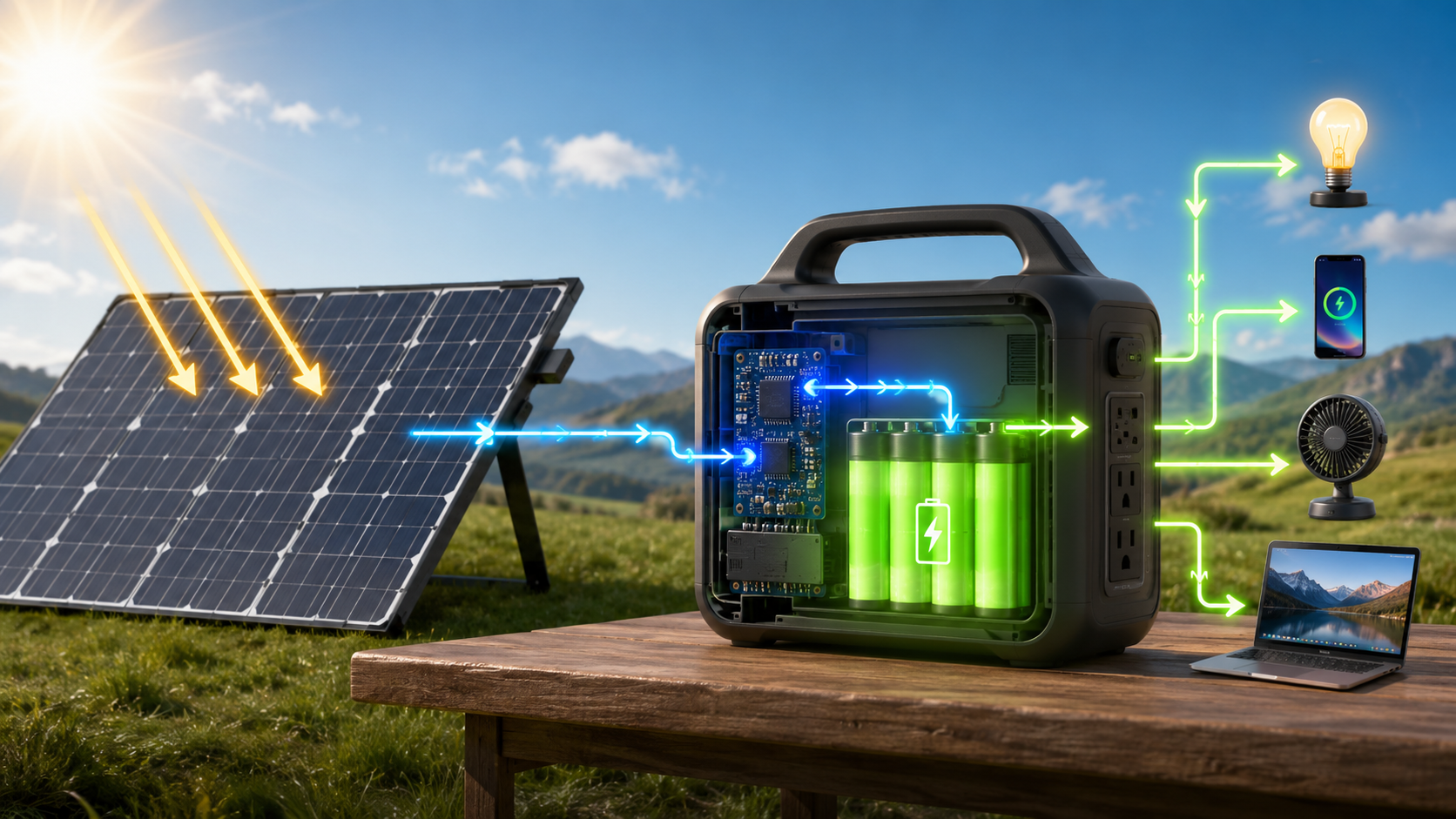
Many of our Dragon Blogger readers already own at least one portable power station at home, whether for emergencies or camping trips. If you have one, you probably know that most of them support solar charging, also known as photovoltaic energy.
If you’ve ever wondered how a portable power station can fully recharge using only solar energy, don’t worry. Today, I’ll explain it in a simple and easy-to-understand way.
First, it’s important to understand that solar panels take advantage of the energy emitted by the Sun in the form of radiation. However, not all of that energy reaches Earth’s surface or can actually be used. For example, a significant portion is reflected or scattered in the upper layers of the atmosphere and sent back into space. In other words, solar panels only capture a fraction of the total energy produced by the Sun.
The most common and efficient solar panels are monocrystalline and bifacial panels, meaning panels capable of capturing both direct and indirect light, such as sunlight reflected from the ground. There are also polycrystalline solar panels, but they are less commonly used because they offer lower efficiency and are usually larger compared to monocrystalline panels.
Once the solar cells begin receiving sunlight, they start generating electricity in direct current (DC), which then travels to the power station where it is regulated and stored inside the internal battery. Later, the station can convert that energy into alternating current (AC) to power devices such as laptops, light bulbs, or even small appliances.
It may sound like a complex process, but it took many years of development to create solar panels with conversion efficiencies above 23%. Just a few years ago, the standard was closer to 18%, but here at Dragon Blogger we’ve covered highly efficient solar panels capable of exceeding 26% conversion efficiency in some cases.
What factors can affect solar charging on a Portable Power Station?
This is a great question because while some factors are difficult to control, there are still a few recommendations that can help you get the most out of solar charging. For example, avoid leaving the solar panels under shade. Also, don’t worry too much about heat because solar panels are designed to withstand extreme temperatures. The key is making sure they receive as much direct sunlight as possible, which also means adjusting their direction every few hours.
Although it may sound surprising, solar panels actually perform better in colder climates. They can handle high temperatures, but excessive heat gradually reduces conversion efficiency. That said, locations with strong direct sunlight usually compensate for this loss with higher solar radiation levels, compared to colder regions where cloudy conditions are more common throughout the day.
And that’s it. That’s the simple explanation of how solar panels work.
Still don’t have a Solar Generator?
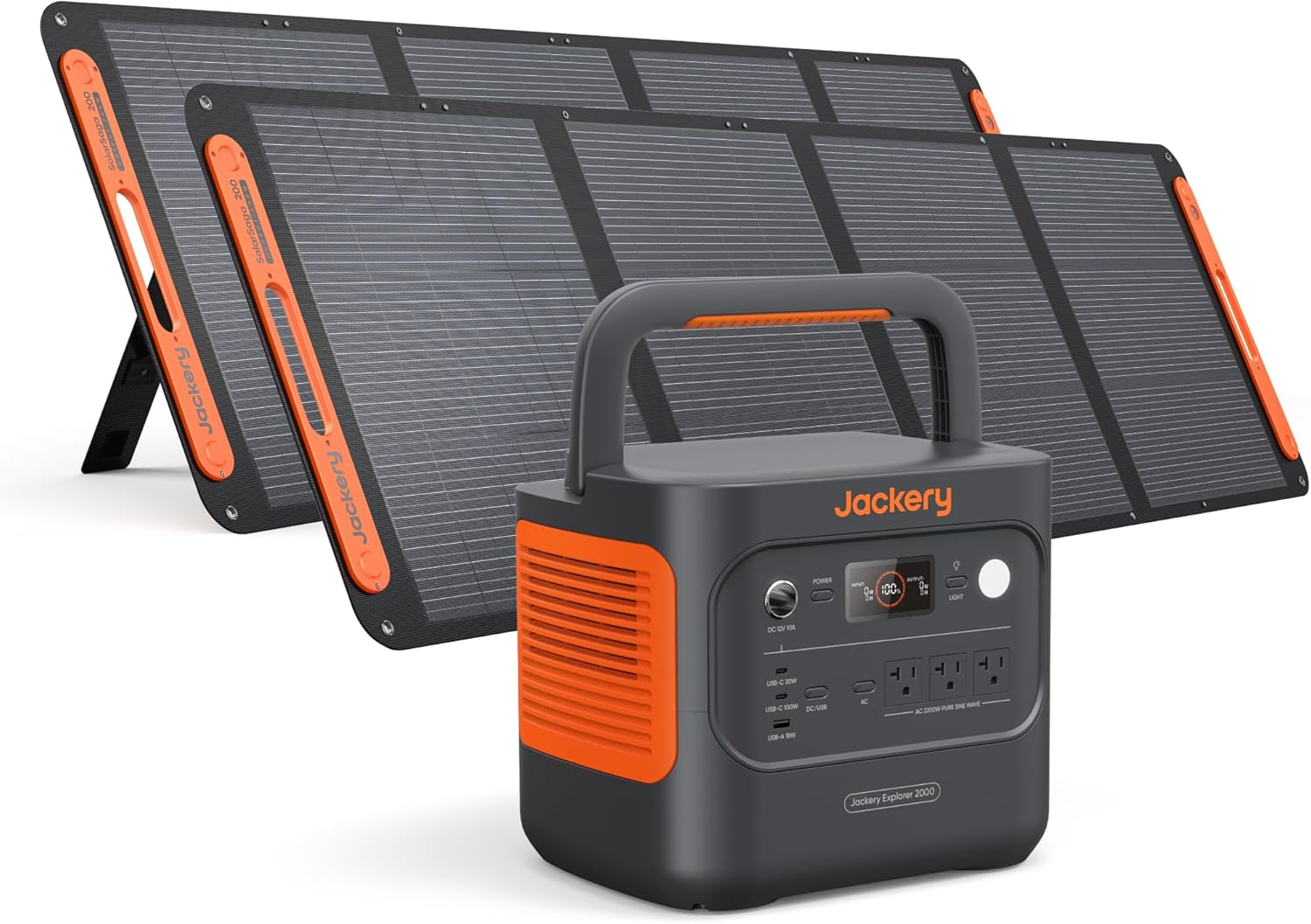
One of our top recommendations is the Jackery Explorer 2000 v2. This portable power station can deliver up to 2200W of power and comes equipped with a 2042 Wh LiFePO4 battery designed to last more than 10 years or over 4000 charge cycles while still maintaining 70% of its original capacity.
What makes this solar generator especially impressive is that it includes two 200W solar panels capable of charging the power station to 80% in as little as 5 hours. It can also recharge from a wall outlet to 80% in around 50 minutes. Keep in mind that, to extend battery lifespan, it’s generally recommended to charge the power station to around 80% for daily use, while saving full 100% charges for situations where you need maximum energy capacity.
Where to buy it? Available here on Amazon
We are influencers and brand affiliates. This post contains affiliate links, most which go to Amazon and are Geo-Affiliate links to nearest Amazon store.

My name is Joel! I love to read, I go to university like most people my age.
In my free time I usually train boxing, I love music, I also know how to play the guitar and the harmonica.