
We are influencers and brand affiliates. This post contains affiliate links, most which go to Amazon and are Geo-Affiliate links to nearest Amazon store.
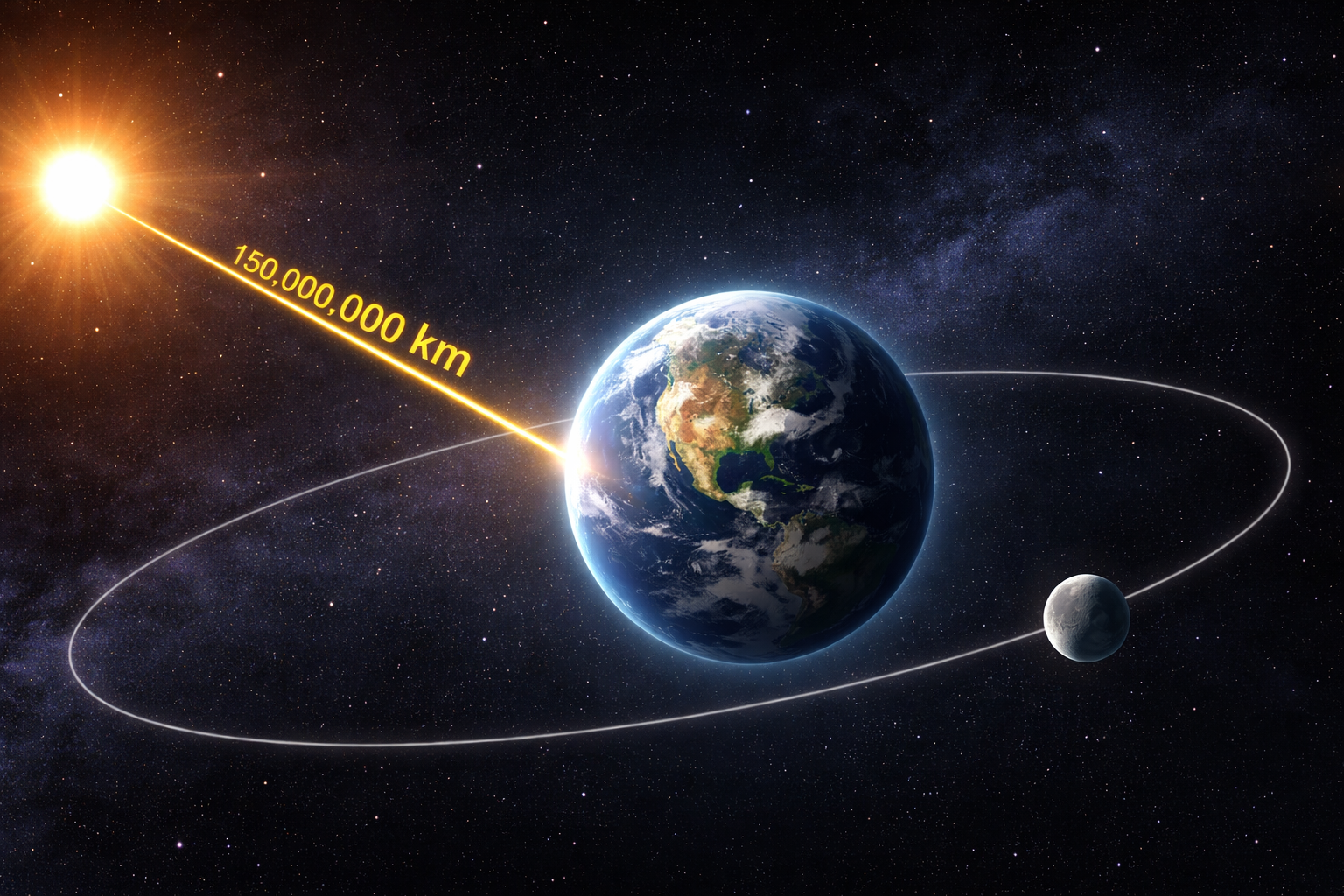
Did you know that, hypothetically, if the Sun suddenly went out, it would take us 8 minutes and 19 seconds to notice on Earth because of the limits of the speed of light and the enormous distance between the Sun and the Earth?
According to the laws of physics, no object with mass can travel faster. Light, whose speed is 299,792.458 km/s, seems to be one of the great barriers to visiting planetary systems, that is, planets orbiting one or even two or more stars.
But you may be wondering why this is the limit, why the speed of light is not three times faster than it is now. These are big questions because there is no concrete answer, but today I will help explain it according to what physics can tell us so far.
The speed of light itself is a constant property of the universe, that is, an innate feature from the first moments after the Big Bang. Therefore, all the variables that existed during those first instants determined what that theoretical limit would be, the point at which information can be transmitted. So, if those constants had been different, then the speed of light today would probably have been different too.
What would happen if you traveled faster than light?
Physically, it is possible to approach the speed of light, but it would require exponentially huge amounts of energy as you get closer. The laws of physics completely forbid reaching the speed of light exactly or exceeding it because there would come a point where the energy required would be infinite. However, there are two theoretical ways to cheat these laws, and I will talk about them later.
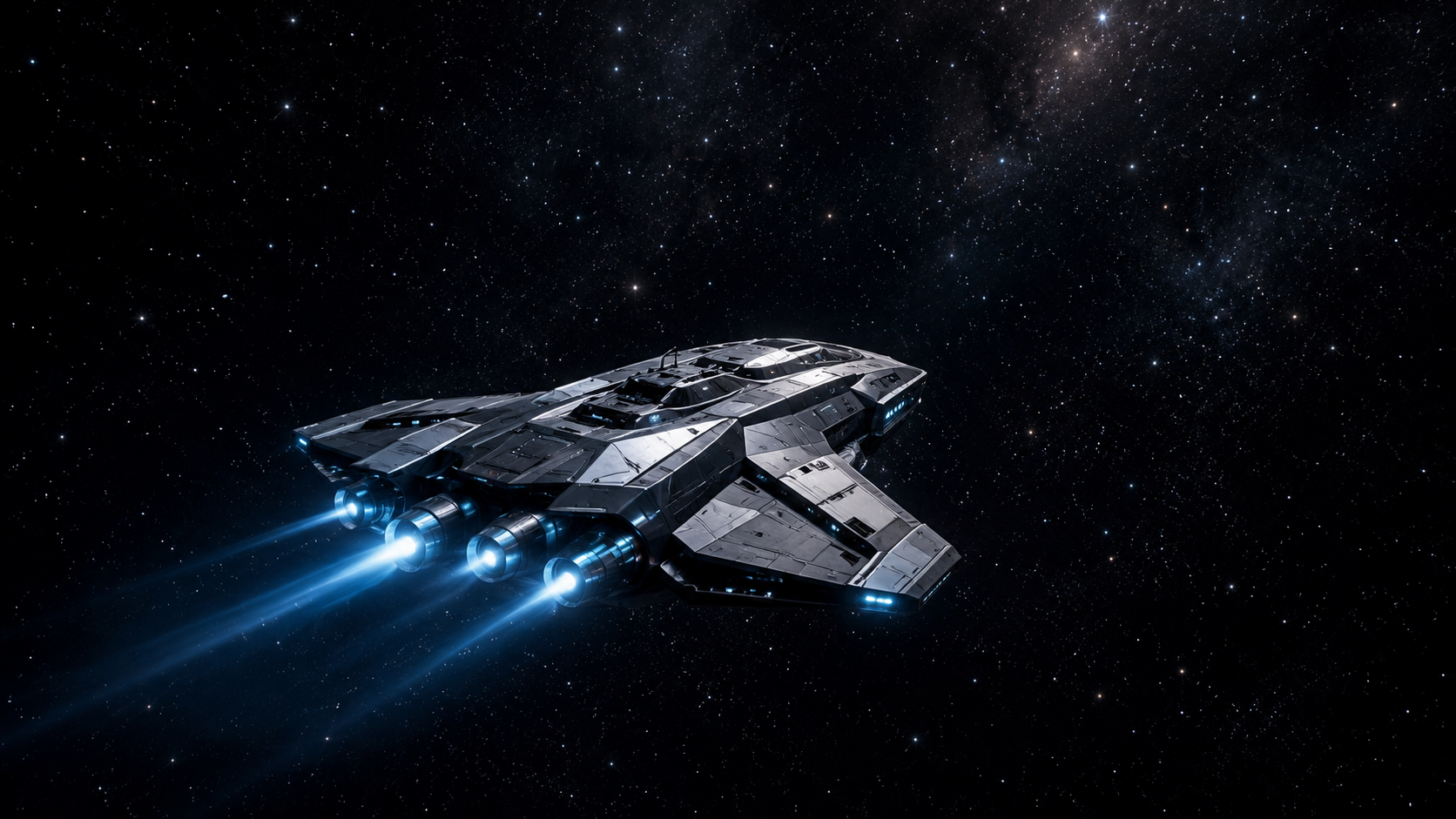
But let us imagine a situation where, hypothetically, you manage to exceed the speed of light limit inside a spaceship. If that happened, truly strange scenarios would arise, mainly related to the principle of causality, meaning that a cause must happen before its effect.
In theory, traveling faster than light could create situations where an event is observed before it has actually happened, something as absurd as returning to Earth before you had even taken off.
With this simple analogy, you probably understood why there is a universal limit to the maximum speed at which information can be transmitted. It is not something we decided. It is a unique characteristic of the universe itself that we still do not fully know how to explain, especially why it is this speed and not a lower or higher one.
How is it possible to exceed the speed of light?
Although it cannot be done in the traditional way, theoretically it would be possible to shorten distances in two ways: with a hypothetical warp drive proposed by Miguel Alcubierre, and by using a hypothetical wormhole, structures that could exist or even be created according to some mathematical solutions derived from Albert Einstein’s theory of relativity.
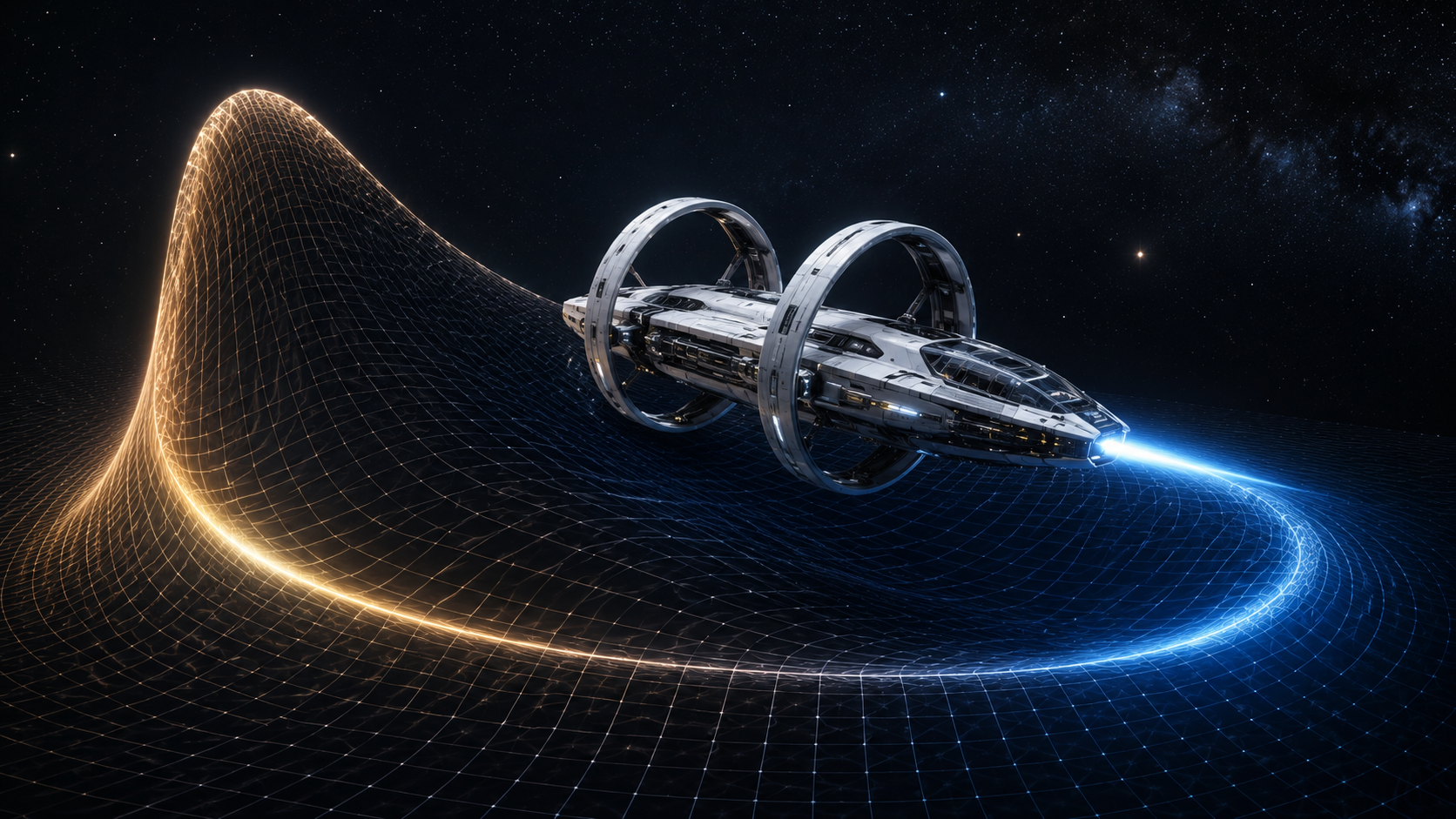
The only thing in the universe that can expand faster than light is space itself, so the warp drive would try to take advantage of this unique feature to move through space by pulling space from in front of the ship and, at the same time, pushing away what is behind it.
If this hypothetical form of travel could be understood, which would require strange energies such as negative energy, something that may not exist on this massive scale, it could even surpass the time it would take light itself to reach a distant object such as a galaxy or a planetary system located hundreds of light years from Earth.
That is, instead of waiting hundreds of years, a ship with a warp drive could make it happen in just a few days, weeks, months, or years. But once again, there are enormous challenges ahead, and we are still extremely far from accessing and developing this kind of almost science fiction technology.
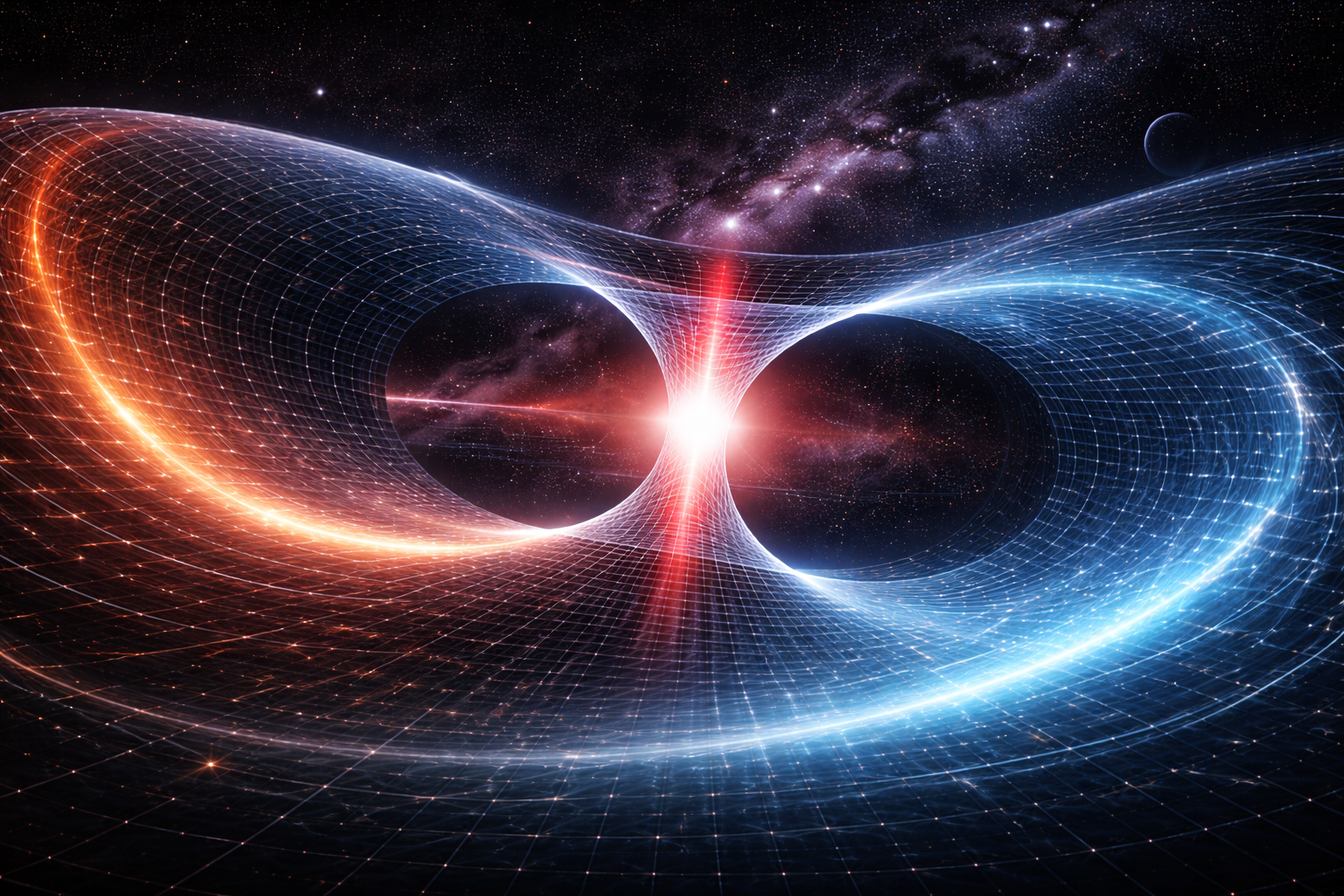
The other theoretical solution would be wormholes. Instead of traveling faster than light, they would work as shortcuts in spacetime that connect two extremely distant points in the universe. In this way, a journey of hundreds or thousands of light years could be reduced to just minutes, hours, or days, although there is still no evidence that they can remain stable or even really exist.
And that is all for today. The universe is an endless topic that can be truly difficult to understand, but who knows, maybe in the near future many new things about it will be discovered.
We are influencers and brand affiliates. This post contains affiliate links, most which go to Amazon and are Geo-Affiliate links to nearest Amazon store.

My name is Joel! I love to read, I go to university like most people my age.
In my free time I usually train boxing, I love music, I also know how to play the guitar and the harmonica.