
We are influencers and brand affiliates. This post contains affiliate links, most which go to Amazon and are Geo-Affiliate links to nearest Amazon store.
Many different video editing solutions have come and gone. Very few survive today’s ever growing and demanding needs out of a video editing suite, though it looks like Wondershare’s Filmora might do the trick as it has stood the test of time. Let’s take a look at what it offers and see if it really is worth it.
There are a TON of features here, and I used many of them, but not all of them. I mention that because I will not go over every feature, but I will go over many.
I will start off by stating that yes, it is compatible with Apple Mac’s, though I am not testing the Mac version; I am testing the PC version.
OK, before we even start using it, let’s see what formats Wondershare’s Filmora supports and what kind of basic system requirements we will need to run this.
PC System Requirements
- Supported OS’: Windows 7, Windows 8 and Windows 10 (32/64bit)
- Supported Processors: Intel or AMD 1GHz or above
- RAM: 512MB and above
Mac System Requirements
- Supported OS’: OSX 10.7 or later (Full compatible with Mac OS X 10.10 (Yosemite))
- Supported Processors: 1Ghz or above Intel processor
- RAM: 512MB and above
Format Support
Since this software will support both PC and Mac, there are different formats supported and I will mention them all here. Before I show them to you, please take note that their website is not always updated very well, so sometimes they might actually support more formats than what is listed here.
PC Support Input Formats
- PC Video Formats: AVI, DV, DIF, NUT, H261, H264, NSV, FLV, MKV, MP4, M4V, PSP, 3GP, MOV, MPG, MPEG, VOB, DAT, EVO, RM, RMVB, TS, TP, TRP, M2TS, WMV, ASF, DVR-MS
- PC Audio Formats: AAC, AC3, APE, AOF, AIFF, FLAC, APE, CUE, AU, AMR, OGG, WAV, DPE, MKA, M4V, M4A, MPA, MP2, MP3, RA, WMA
- PC Photo Formats: JPG, JPEG, BMP, PNG, JPE, GIF, DIB, JFIF, TIF, TIFF
- From Webcam, PC Screen and Voiceover
PC Supported Output Formats HD and SD
- PC Video Formats: WMV, AVI, MOV, FLV, MKV, MP4 Video (AVC), MP4 Video (Xvid), MP4 Video(MC), ASF, M4V, Xvid, DV, MPEG-1 NTSC, MPEG-1 PAL, MPEG-1 SECAM, MPEG-2 NTSC, MPEG-2 PAL, MPEG-2 SECAM, DVD-Video NTSC, DVD-Video PAL, HTML5, DVD-Video SECAM, MP3, TS, TRP, MPG, WMV, MOV
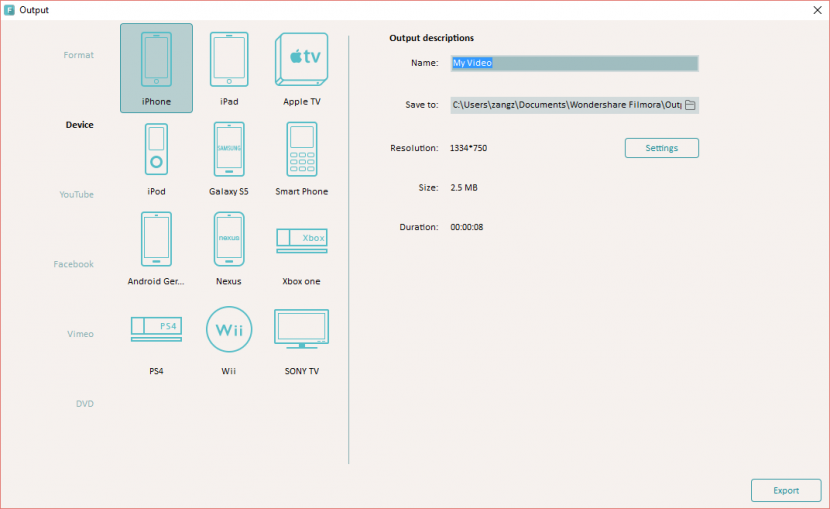
- Supported Devices: iPhone’s, iPod nano, iPod touch, iPod Classic, iPad’s, HTC, Galaxy S II, PSP, PS3, PS4, Wii, Xbox 360, Xbox One, Zune, Zem Archos and many many more.
- DVD Formats: DVD disc, DVD folder, ISO Image file
MAC Supported Input Formats
- Mac Video Formats: MP4, FLV, AVI, VOB, 3GP, ASF, MOV, F4V, M4V, MPG, TS, TRP, M2TS, MTS, TP, DAT, WMV, MKV, DV, MOD, TOD and EVO.
- Mac Audio Formats: AAC, AC3, AIF, AIFF, APE, AU, FLAC, M4A, MKA, MP2, MP3, OGG, WAV and WMA
- Mac Picture Formats: BMP, JPG, PNG, GIF, TIF, ICO
MAC Supported Output Formats
-
- Video Formats: MOV, M4V, MP4, MP4 5.1 Surround, AVI, MKV, FV4, WMV, MPEG-2 Movie NTSC, MPEG installation2 Movie PAL, FLV, 3GP, TS, TRP, HD, MOV, HD, MP4
- Supported Devices: iPhone’s, iPod Touches, iPad’s, PSP, Archos Player, Creative Zen Player, Zune and many many more.
- DVD Formats: DVD disc, .dvdmedia, ISO, DVD Folder
ne
Ok, so it looks like it can take just about any format and output to any format and device, as you would expect a decent video editor would do. Now that we are through with that, let’s get back into the software itself.
[nextpage title=”Installation”]
Before we discuss too much more, let me show you the installation process.
Let’s download the trial software from here: http://filmora.wondershare.com/video-editor/
Once it has downloaded, lets double click on what was just downloaded and you will be prompted with the following screen.
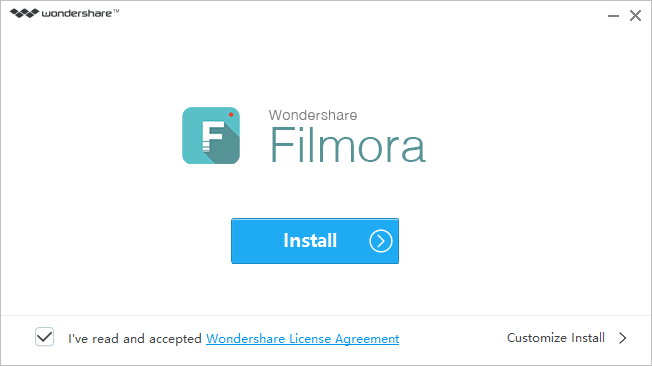
If you want to install to the default drive, click “Install” but if you want to change its install path, go ahead and click “Customize Install” and change your ”Installation Path”.
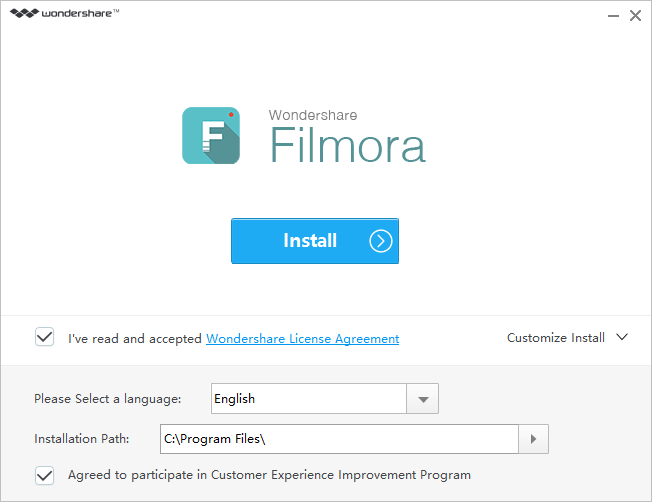
Normally I don’t agree to participate in programs for improvement, but it is actually worth it and I will show you a bit later why. When you are ready, click “Install” and you will sit through the quick install procedure.
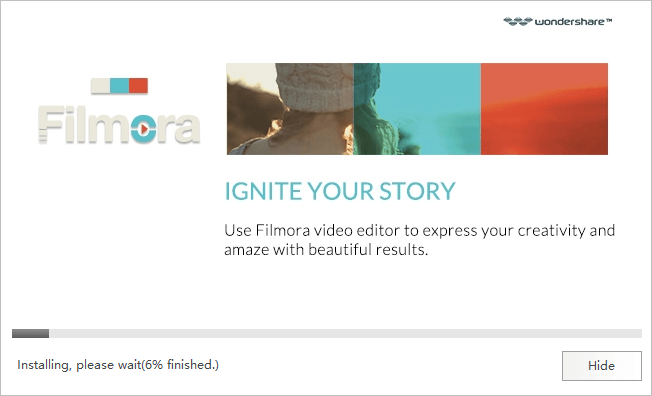
After a few seconds pass, you will happily be greeted with a “Start Now” button, go ahead and click it. It is a quick install.
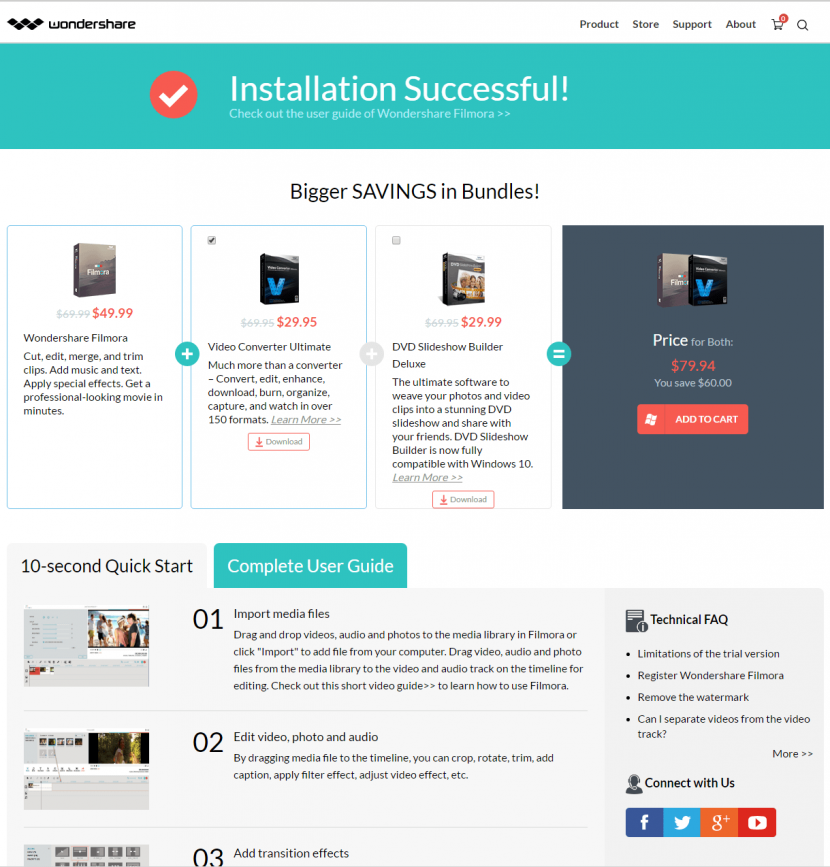
Once it starts, it will open up a Web page letting you know that the installation was a success and also check to see if you want to buy a few things, though the program open’s up over it. I will also mention, aside from the sales pitch, this webpage also provides tips and even a Complete Users Guide which I myself found very handy.
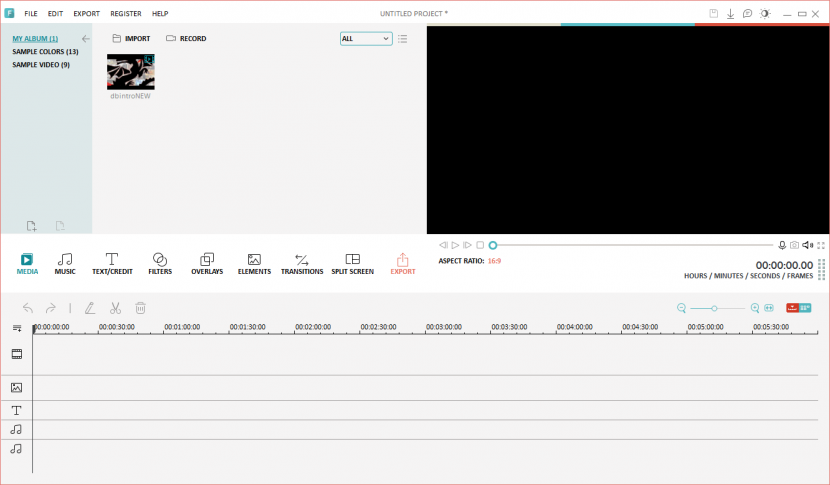
Here is the program itself
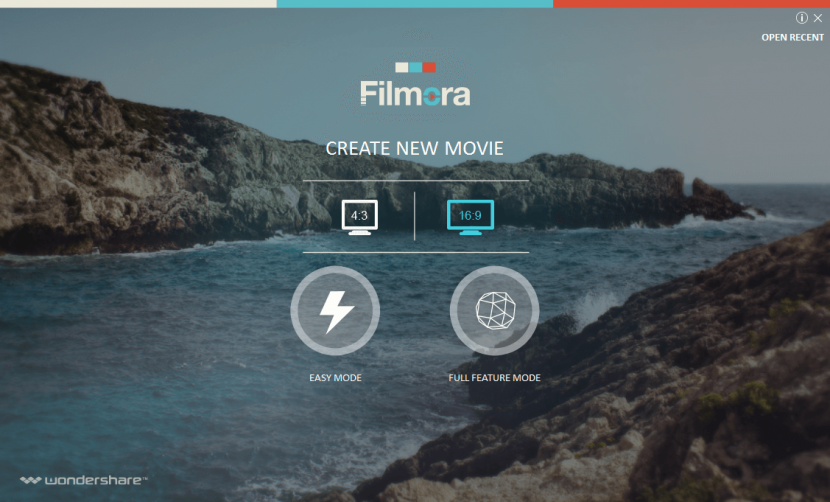
From here, you can select either a 4:3 or 16:9 aspect ratios. Just in case you are not sure what an aspect ratio is, I wasn’t quite so sure some time ago, it is the relationship of the width of a video image compared to its height. What do they mean?
Well, a 4:3 aspect ratio is more for a box framed TV or Monitor and with that usually not HD and not Widescreen. A 16:9 aspect ratio is a widescreen format standard and while it does support SD formats (Standard Definition) it most definitely supports HD Standards (High Definition). Mind you, they will all have exceptions to the rule, but a standard generally means that is how they all work for all.
Secondly, you are able to select either an “Easy Mode” or a “Full Feature Mode” type of interface.
Filmora Easy Mode looks like this:
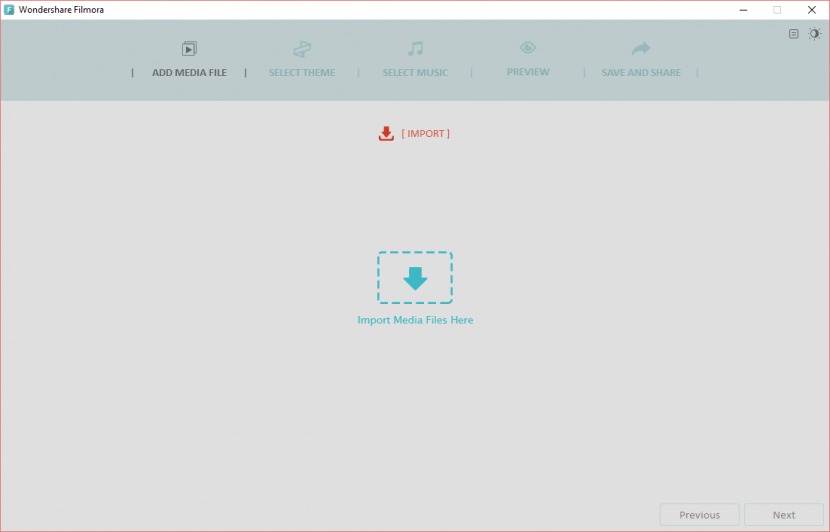
It has a sort of Windows Media Player look and feel; surely it would have all the features, but it feels too stripped down to me, hence the Easy Mode naming. For the entirety of this review, I will stick to the “Full Feature Mode” interface.
Clicking on the “Full Feature Mode” will present you with this screen:
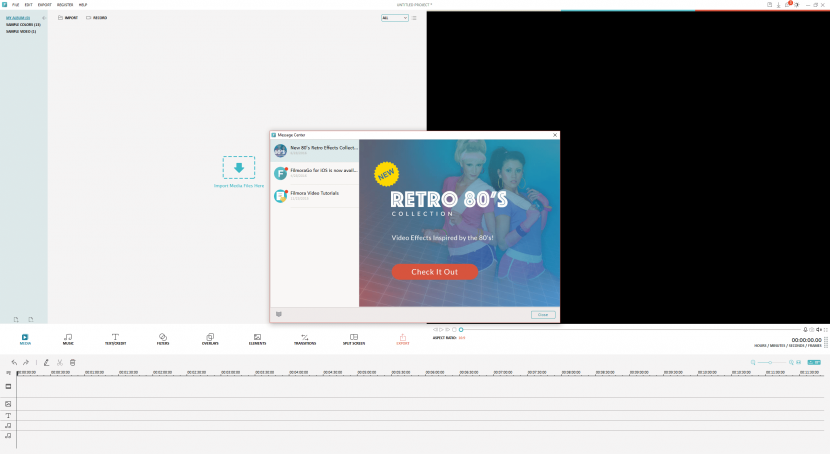
This is more like it; you can see that they give you quite a few features, though right now many of them are hidden. Towards the center of the screen, they also give you a “Message Center” that you should keep an eye on. I will discuss this and more a bit later on in this review.
Don’t be afraid with the fact that we are in Full Feature Mode, this software is very easy to learn and use and if anything stumps you, they actually have a decent support site that I found many answers in.
[nextpage title=”Exploring Filmora”]
Go grab something to drink, maybe a snack, this section is a long one.
Closing out of the ads for now, we are at the base of Filmora, looks pretty basic.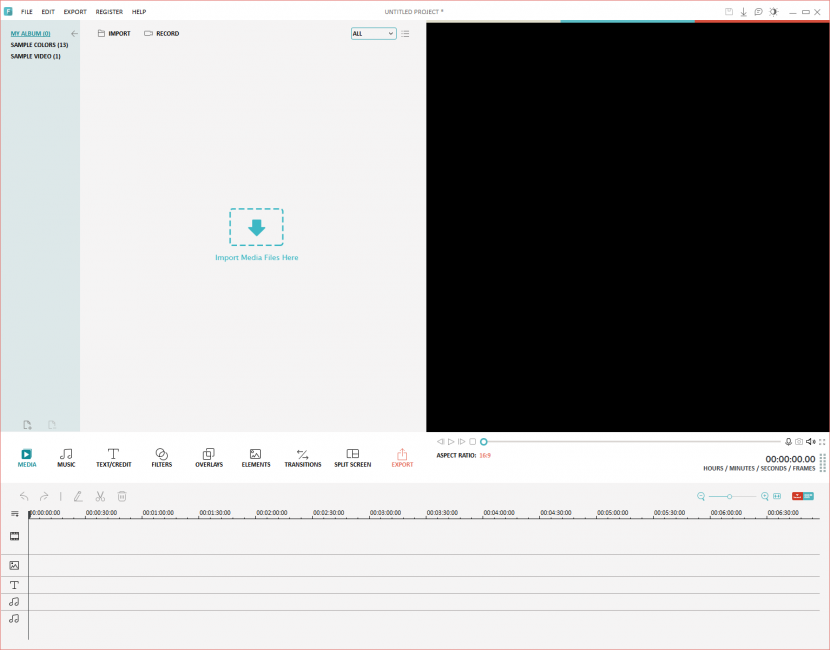
That all changes when we click “Music”
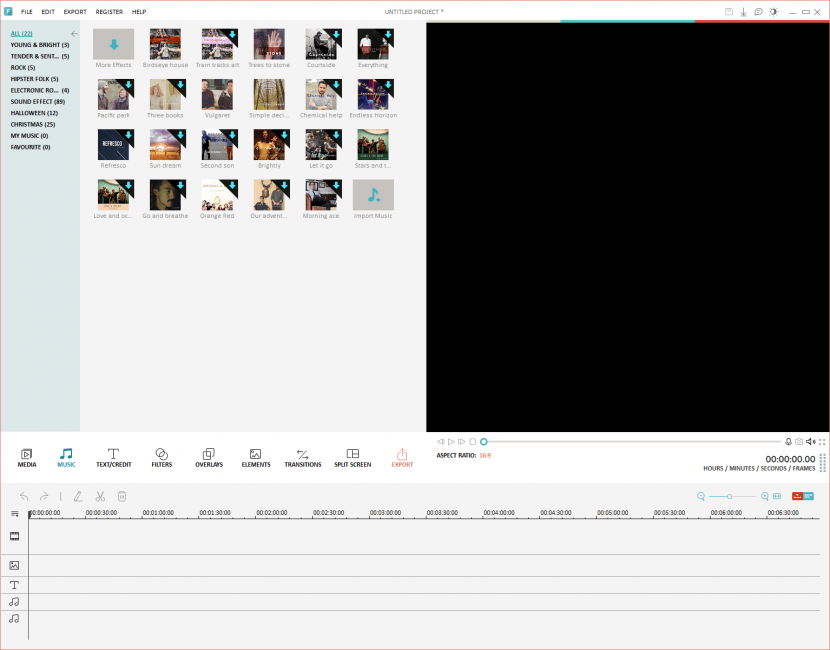
Clicking on Music shows you all the songs and sound effects you can use, but let me focus in on that.
Coming in closer we can see that it comes with 22 free songs,
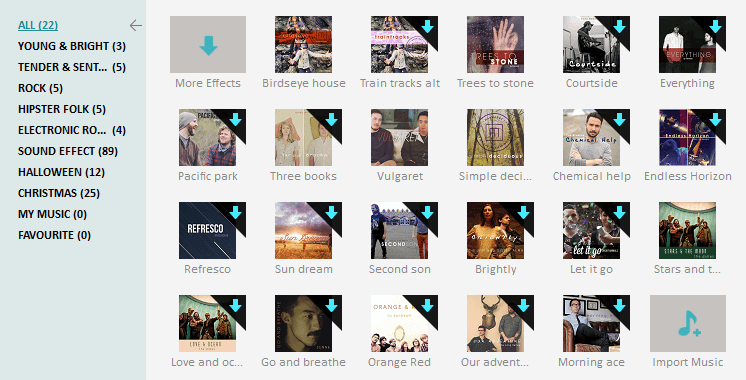
89 Sound Effects and more:
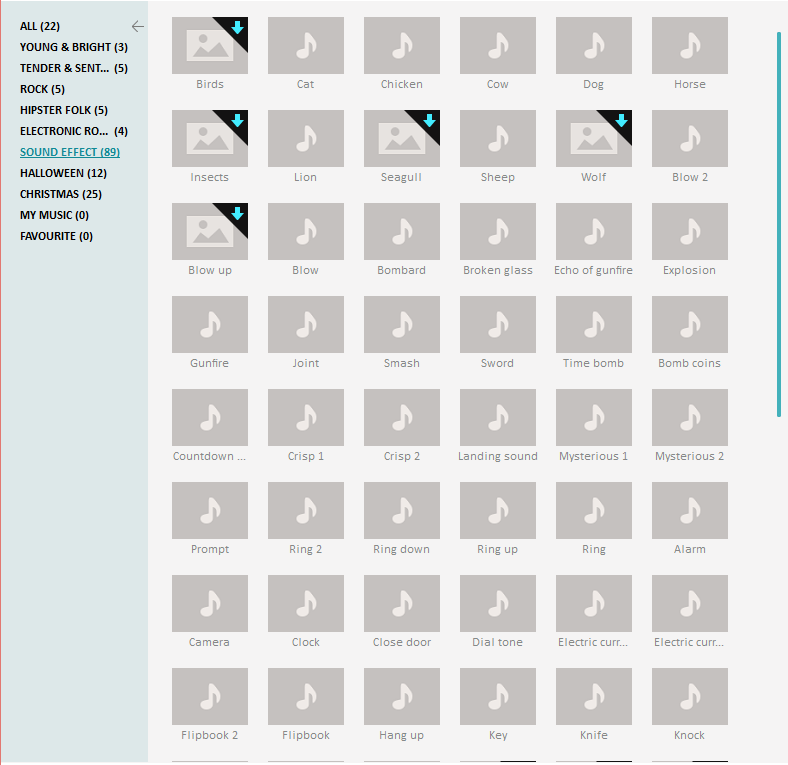
When you see that blue arrow point down, that means that it is not included in the install, but when you click on the track, it will download it for free.
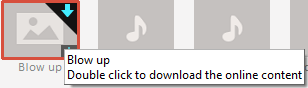
Clicking on the “Text/Credit” tab shows you all of the different text and credit effect’s you have access to, either already installed or available free by a single click.
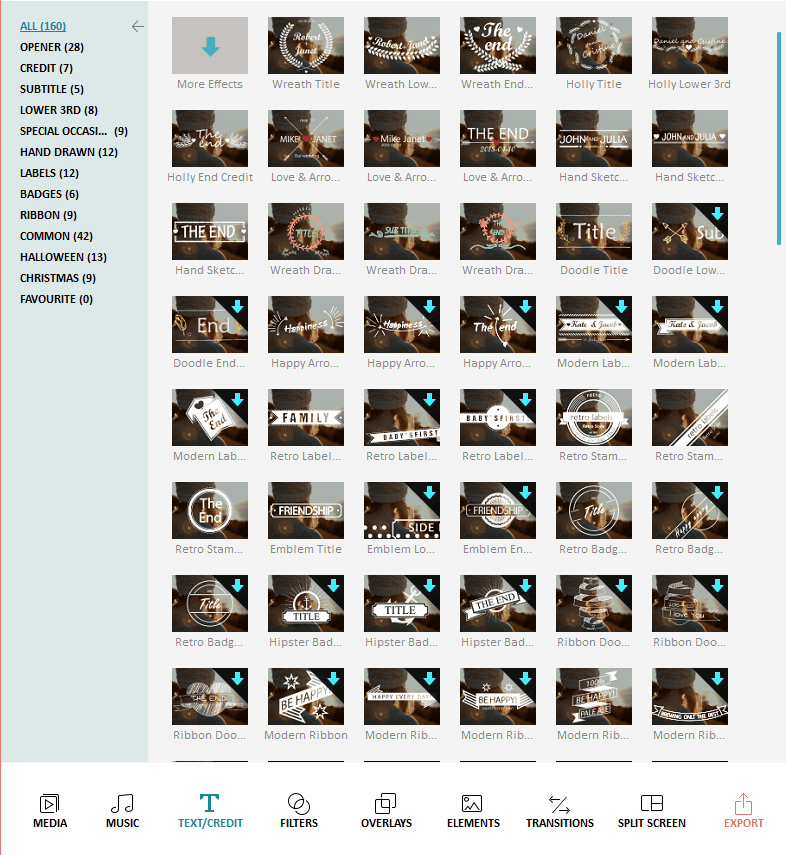
The Filters tab, shows you likewise all of the “Filters” available again either on the install or downloadable.
Overlays:
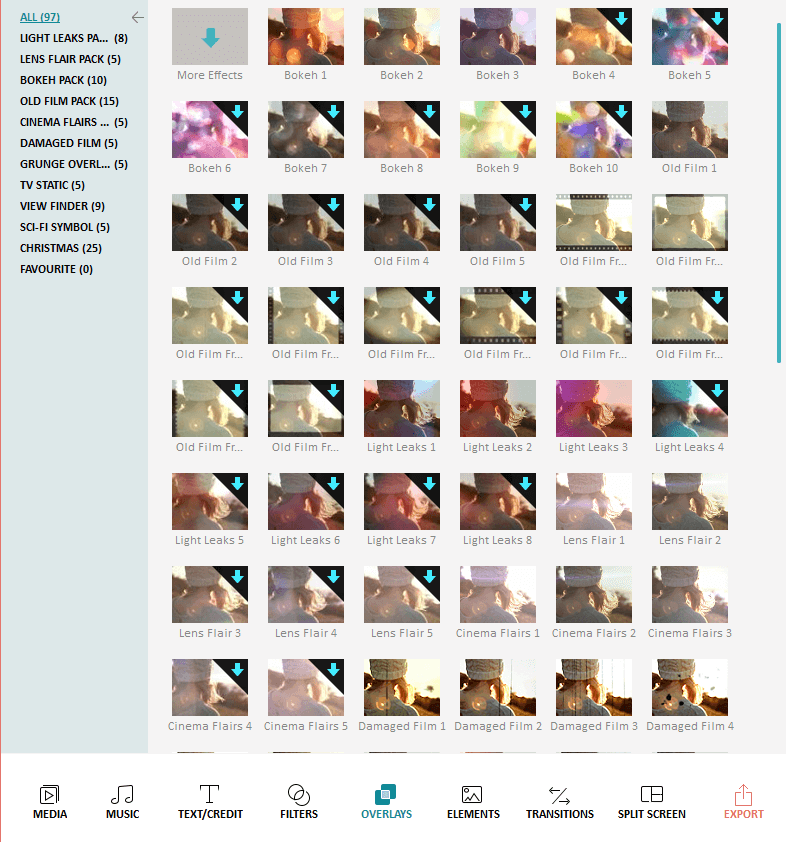
Elements:
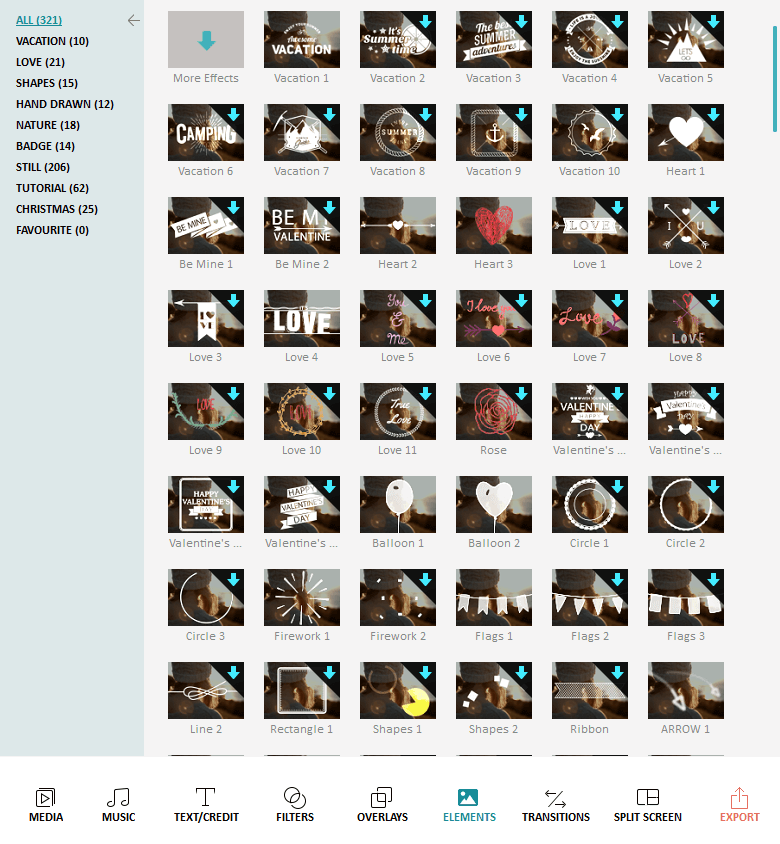
Transitions:
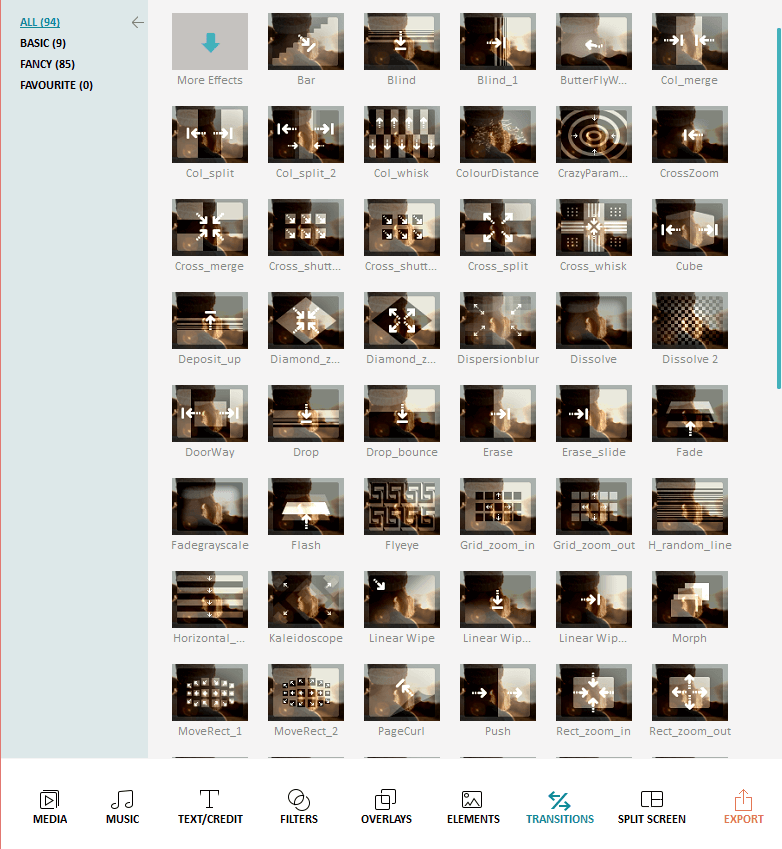
And even Split Screen effects:
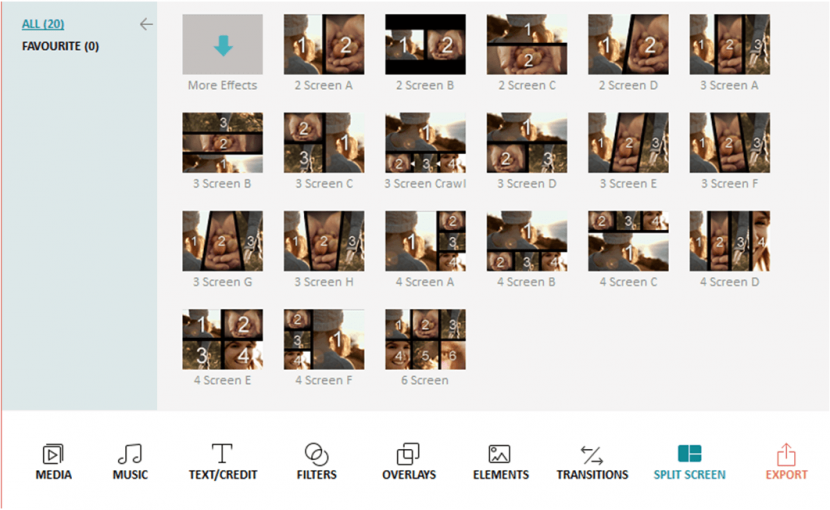
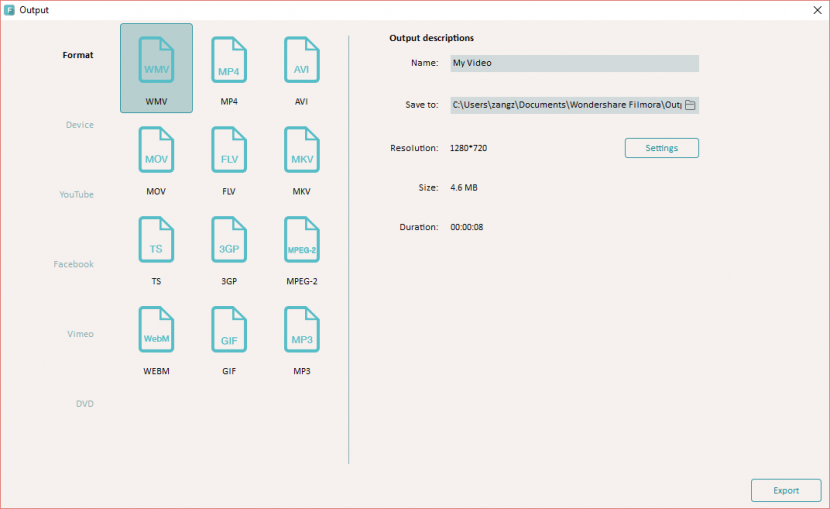
Of course, when you’re done with everything you would Export your Project. As I showed you in the “Format and Support” section, you have a ton of options when exporting.
Format:
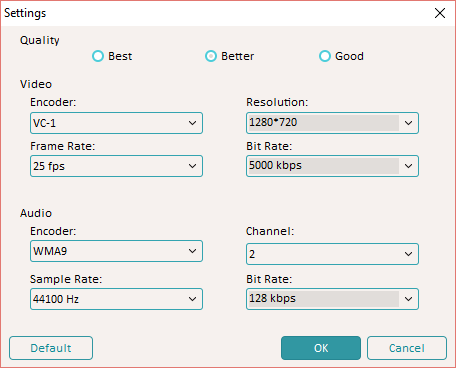
And then more when you click Settings:
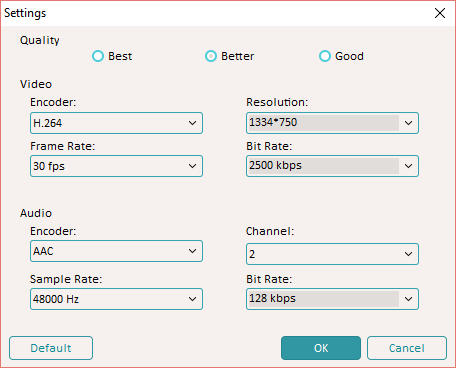
Device:
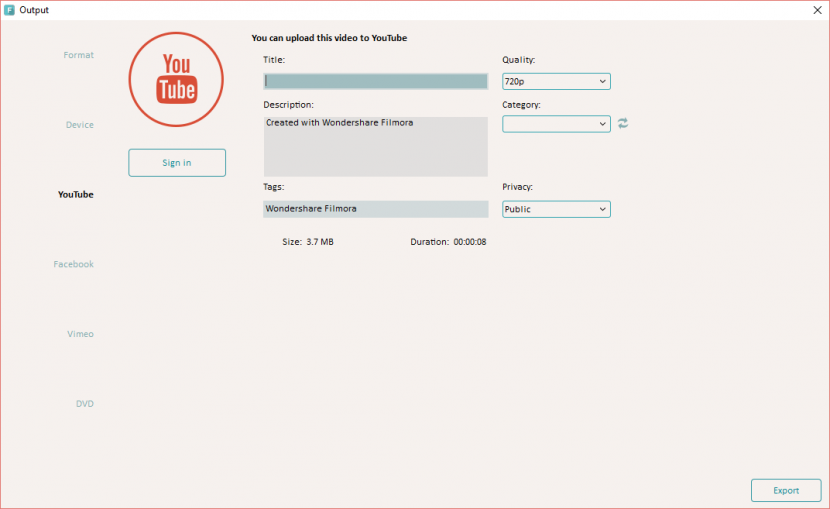
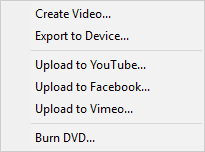
You can even export/upload to Youtube, Facebook, Vimeo directly into Filmora or just back them up to your PC.


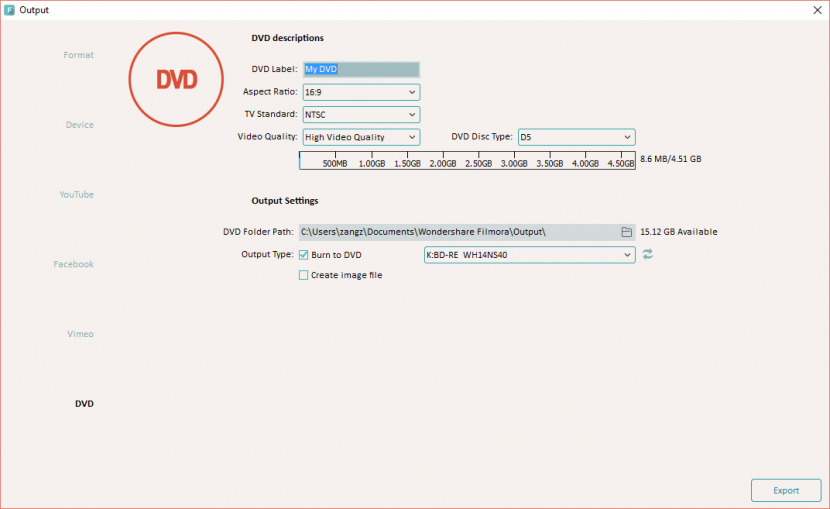
And as I mentioned before, to DVD:
The Title bar even has a few hidden gems.

File provides you with:
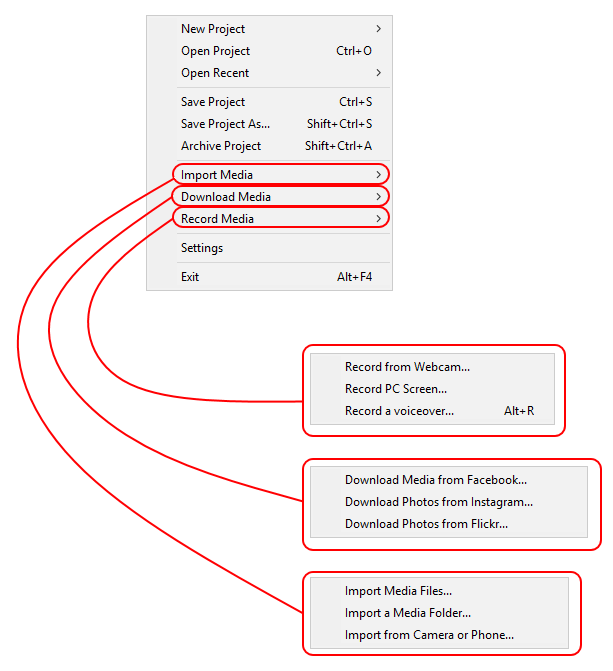
I don’t personally own a webcam, but I did use the “Record PC Screen” feature, it works very well.
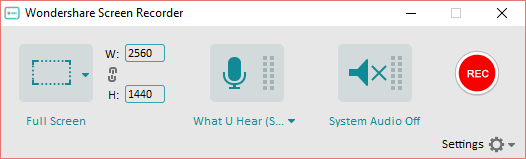
This allows you just how much of the screen you prefer, where the audio would play from and if it would record system audio. This is a great addition, while you do need to start up Filmora to use it, once it is up, you can close Filmora and continue using it. Later in this review I will give you an example of where I used this.
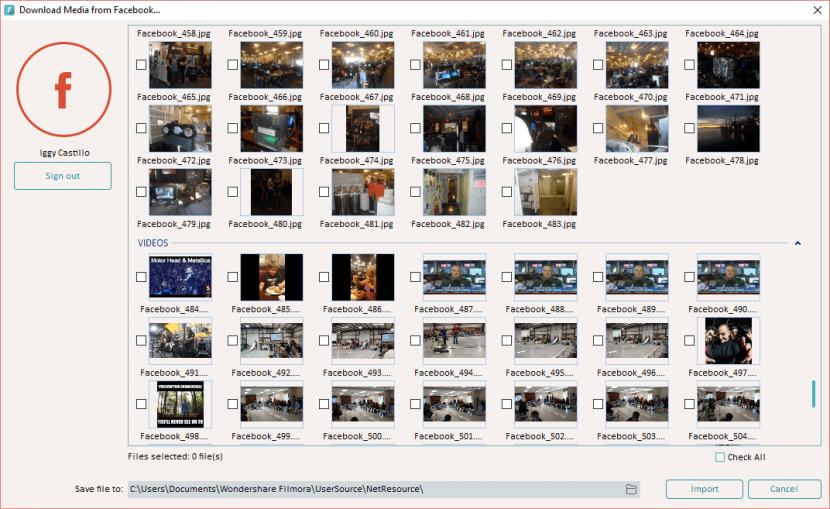
The Media/Photos/Videos from Facebook, Instagram and Flickr is also a very nice feature. This allows you to download media that you have uploaded to these social sites. The reason I say this is cool because for example, many times you go on a vacation for example and take a bunch of pictures and videos and upload them to facebook and maybe you phone gets stolen, lost or dropped in water. Filmora allows you to import these uploaded pictures and videos directly into Filmora or just back them up to your PC or Mac.
Usually that will mean the pics/videos you have taken are gone from the phone, and now you have to one by one download them from these social sites if you want them back, with this, you can select all and import them to a predefined directory, have everything back in your hands. It will also come in handy if you want to close your accounts on these sites, rather that wasting weeks to retrieve them one by one, you can have them in minutes or maybe even hours but then you can close the account.
Going into Settings, we find some customization’s you may want to take note of.
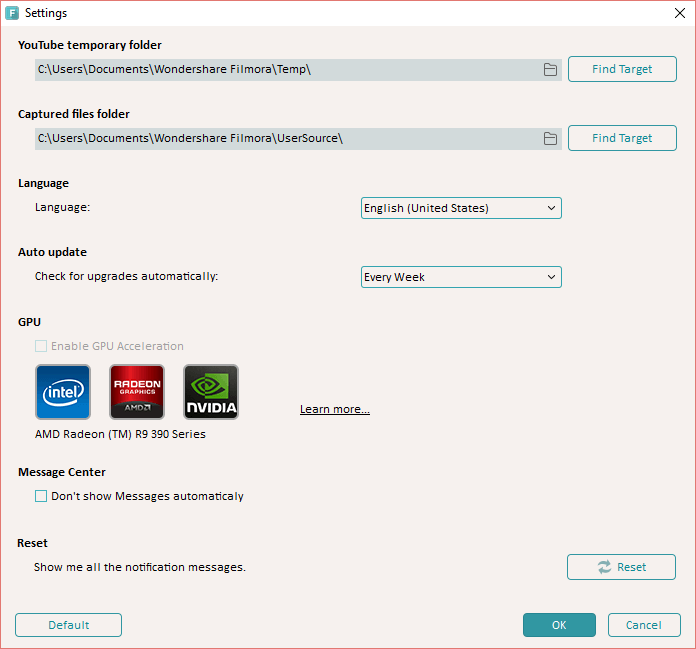
First off are the Youtube and Captured folders. If you are installing onto a smaller drive, you want to make sure that this is redirected to a larger drive to avoid some nightmare with capacity.
Of course the Language, but the next is “Auto Update”. I am also the type of person that does not like to have a program scan the web for me to look for updates, but in this case, I feel that it is a good feature. In the time I have been using the program, I have actually had 2 updates applied. They are constantly working to improve the performance and experience I have come to find.
Trying to keep that in mind, I found the GPU Acceleration feature, take note that I found it off. I have a Sapphire Radeon R9 390 8GB card, one would think that this would surely be able to take care of some nice GPU acceleration with OpenCL or NVIDIA based cards with CUDA, but there is a bit of a catch. They only support till a card version, not a driver version as much.
Now at first I was very surprised, but then I thought about it a little more and figured it might actually be a good thing. If you do a little Googling for GPU Acceleration you will find that many programs like Adobe Premiere and even Camtasia run into issues with GPU Acceleration running into program instabilities. Rather than Wondershare just joining the bandwagon, they took the high road and individually certify the video card, remember a card is not just software, there can be many differences between hardware from model to model, but I still want my GPU Acceleration.
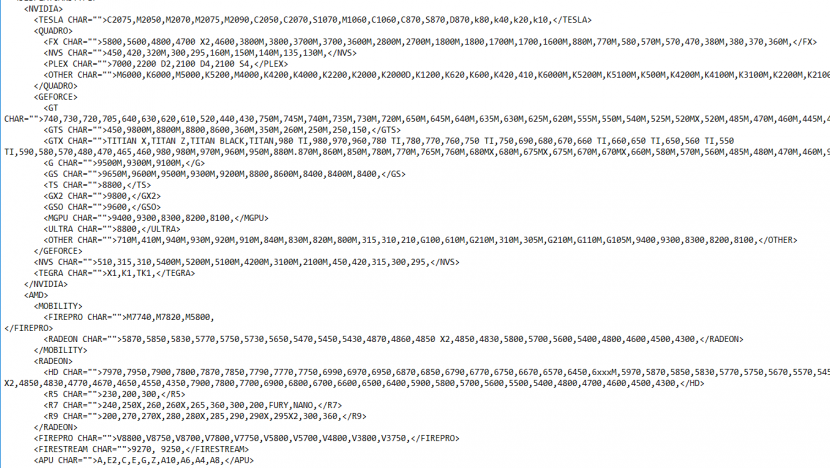
If you already have Wondershare Filmora Installed, you can actually see what cards are supported in file named Dll_Info_Config, located in the Filmora folder, here is an example of what the file hold, this is not the complete list of supported cards though. I found also that I received now benefit from my Intel Core i7 5930K processor as the cores did not max out when encoding the videos.
The exporting will still work, but it will take a bit longer to complete. While it potentially adds to the programs stability, when GPU Acceleration works in programs, it works well and it really is a feature they should focus on as it could potentially benefit all of their current and future customers and surely it will aid in the decision for potential customers.
The export tab, will give you much of the same features.
Register will give you the obvious choices.
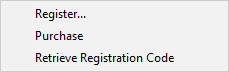
And I will let you guess what Help provides.
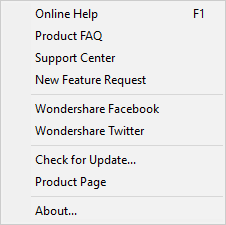
I will say, I do like the fact they offer you right within the app the ability to request a new feature, with the “New Feature Request” option. I think I will request better and wider GPU Acceleration options, and I did. I wasn’t the first though.
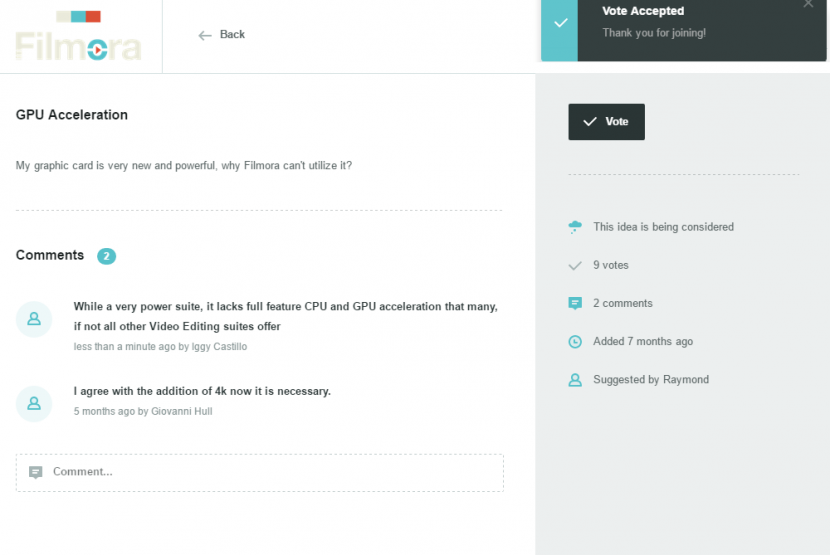
Whoops, meant to write “powerful suite”, but surely they will get the gist.
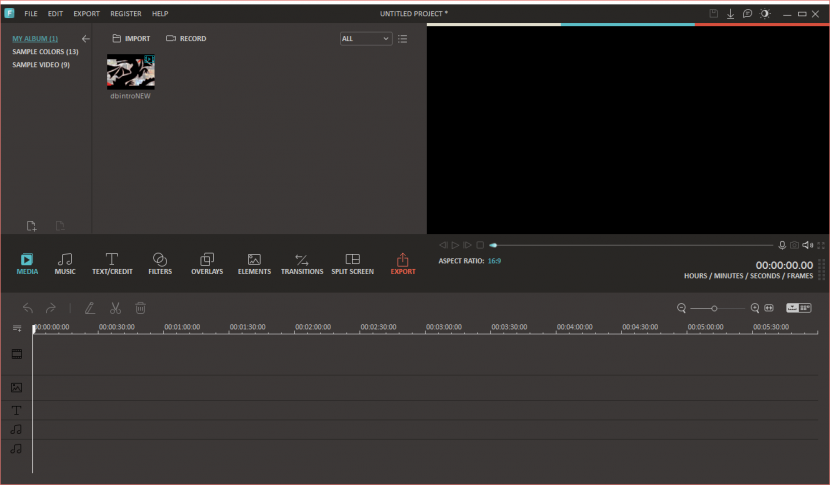
On the right side of the app, we find a few other options


Save Project
 Download more effects from Filmora Resource Center

Message Center (Will have a red blip in it with a number to inform you of new features and options)
 Change Skin (Allows you to change the Filmora Skin)
[nextpage title=”Features in Use”]
While there are a ton of features, there are a few others that are not noticeable until you start using the application. I will go over some of them here.
In this first shot, we can see I simply dragged and dropped 2 pieces of media into the Media Library and then from there I dragged and dropped “SAM_3487” into the timeline where I can start editing. The video then shows on the Video Preview screen, this is a video I recorded used in the “Unboxing of the AVerMedia AEGIS Gaming Voice Chat Microphone (GM310)” review I created. I fast forwarded to the 00:06:26:23 time frame using the slider right under the video preview pane.
You can of course do a more manual import by either clicking File/Import, or by clicking “Import” in the Media Library section in the center to import video. Dragging and dropping is just so much quicker though.

Here I show you how I split the video in my time line, selected one portion of the split, then clicked “Audio Detach” to detach the audio from the video. From there, I can delete the audio, add a different piece of Audio or edit the audio. You can even Mute the audio all together.

Here I show you a little of what you can do when you edit the audio by simply right clicking on the detached audio and clicking “Edit”